Inside the conversation
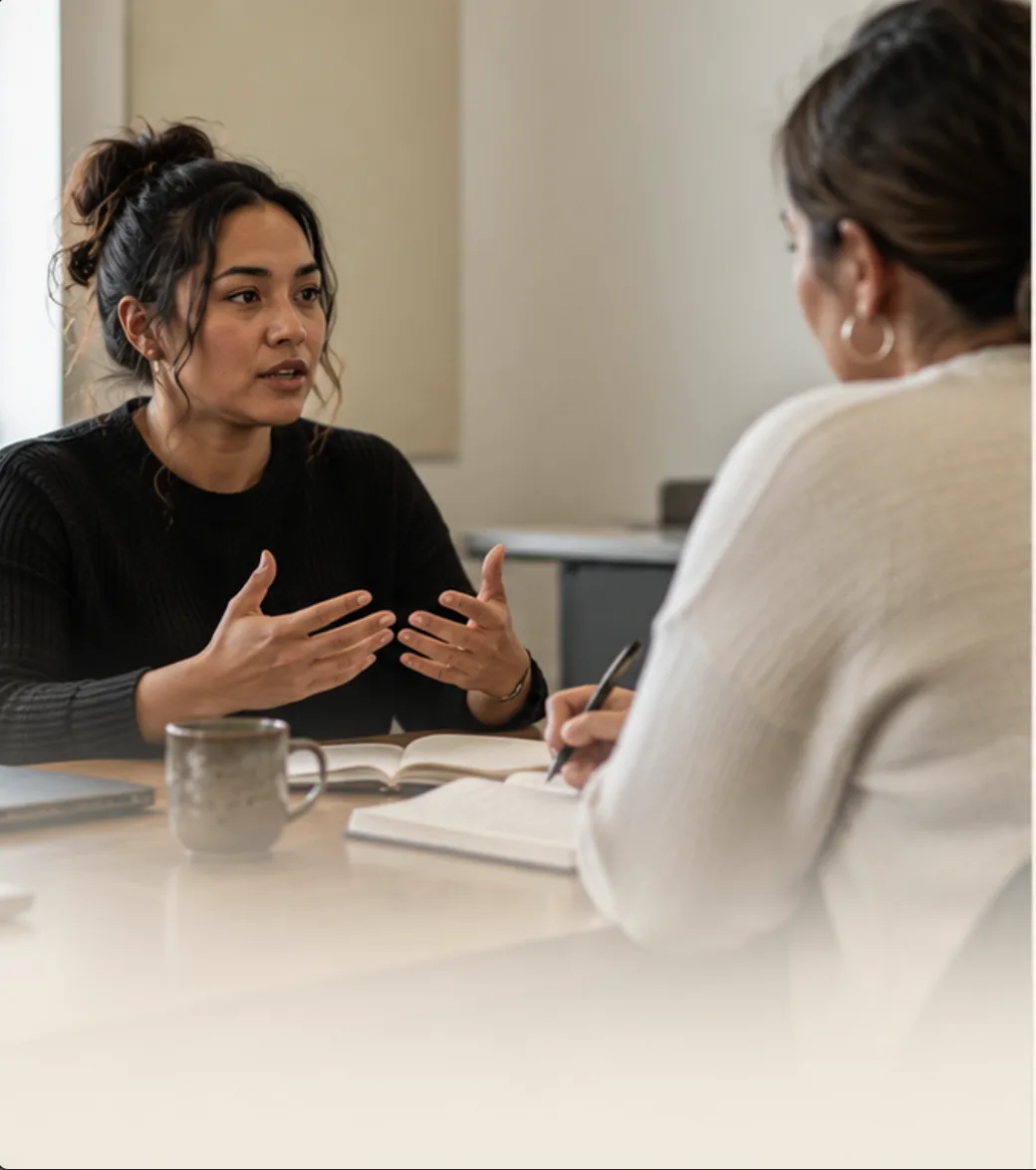
What happens in a supervision session?
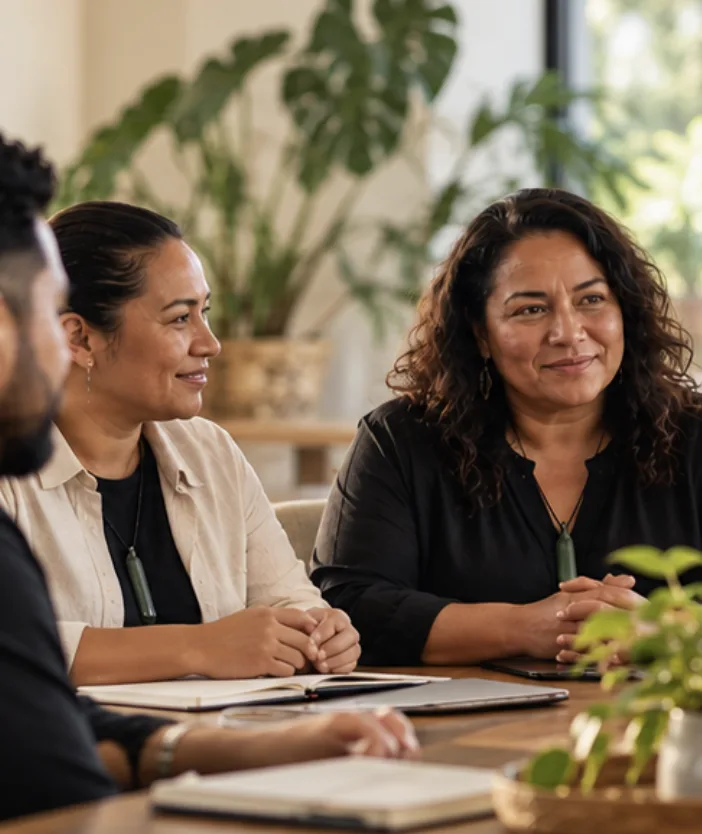
A supervision session may include discussion about complex situations, professional boundaries, decision-making, relationships, ethical questions, workload, cultural context, recurring patterns and professional development. The conversation is shaped by the practitioner, their role and the purpose of the supervision relationship.
Professional contexts
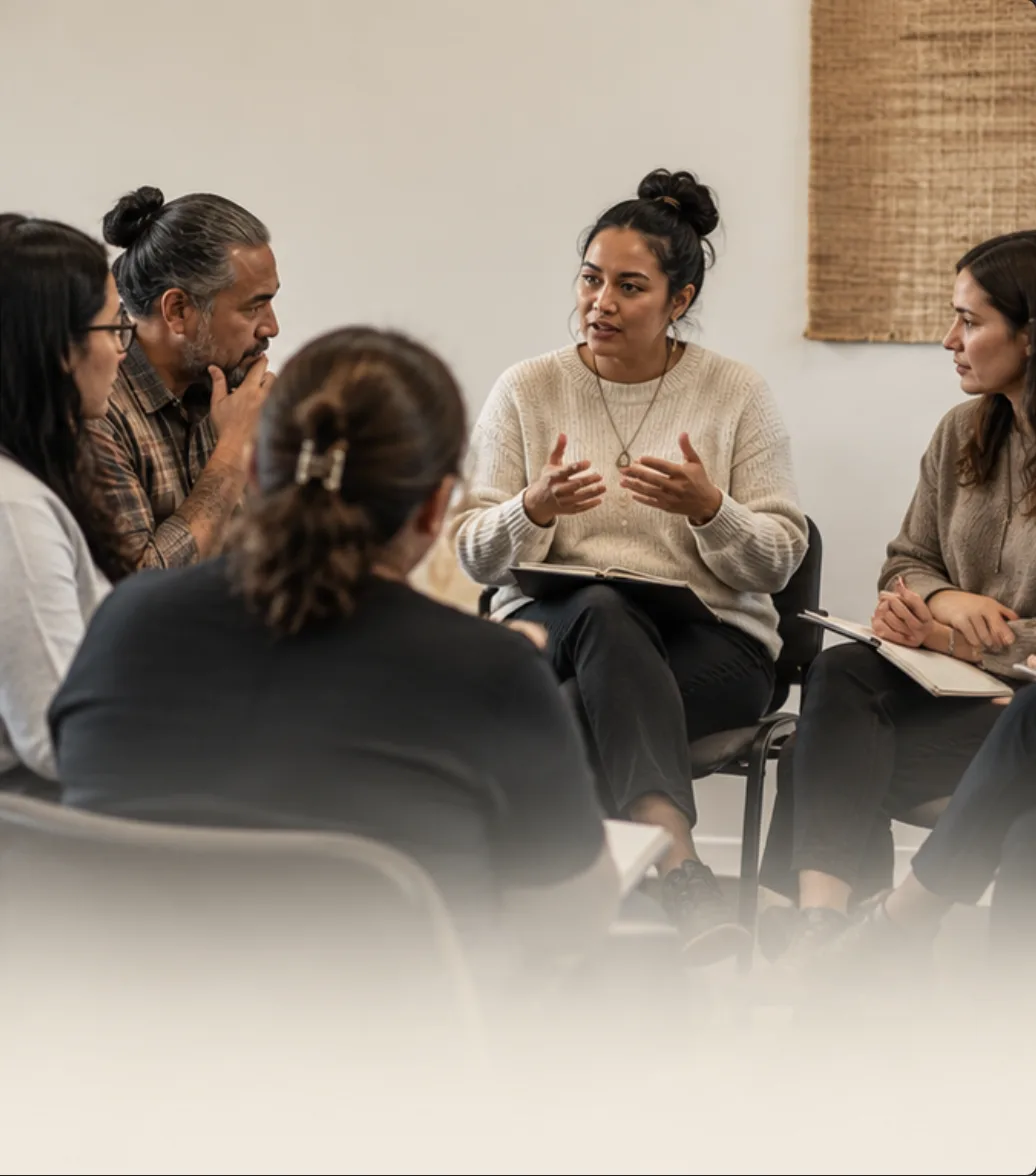
Who is supervision for?
Supervision can support people working in social work, social services, community organisations, education, leadership, people-centred roles and other professional environments where reflection, responsibility and sound judgement matter. The form of supervision should fit the person, their work and their professional context.
Context matters
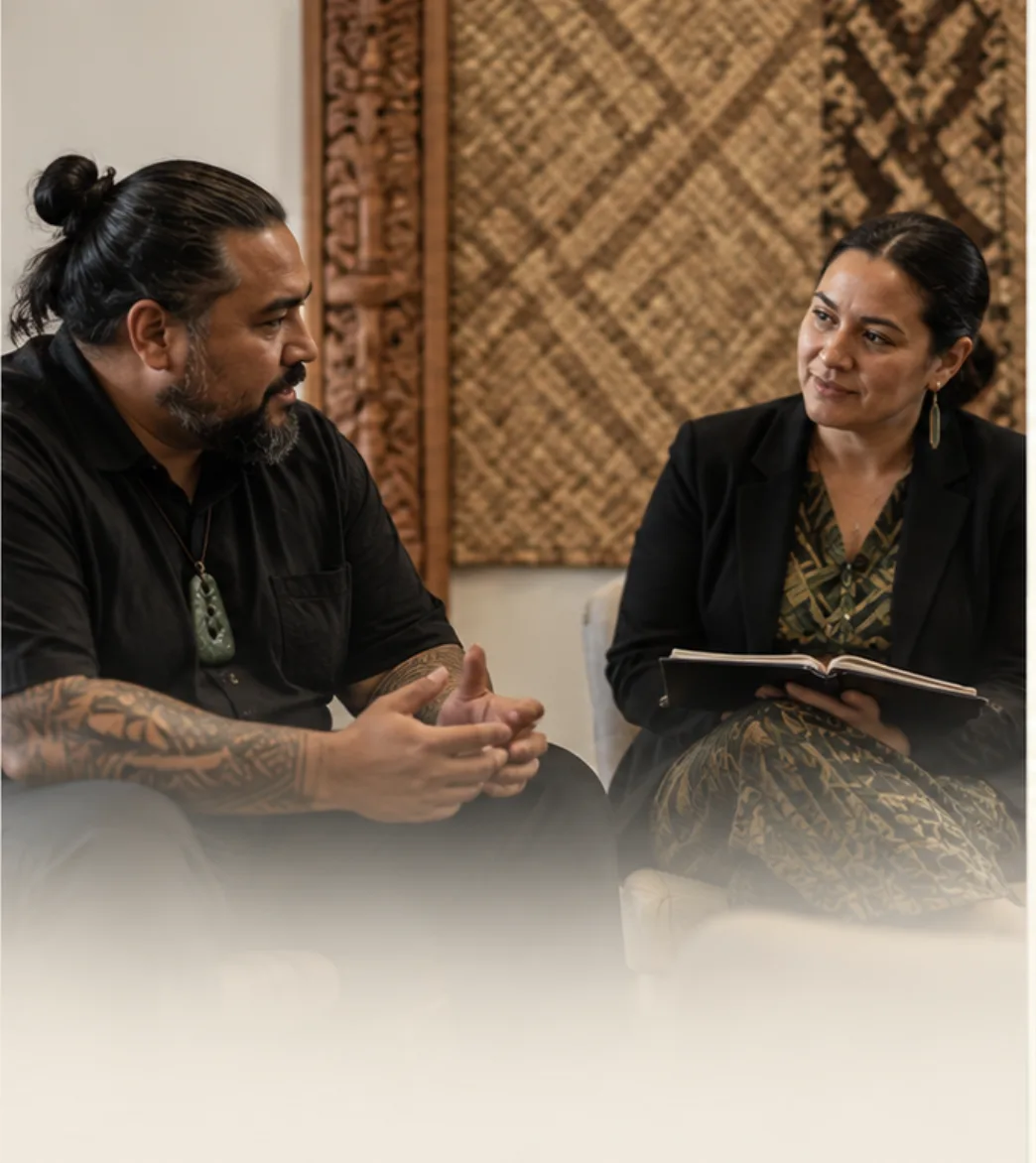
Culture and context belong in supervision
Professional decisions do not happen outside culture, identity, relationships, whānau, community and lived experience. In Aotearoa New Zealand, supervision may also need to make room for Te Ao Māori perspectives such as whakapapa, whanaungatanga, identity, place and collective context where these are relevant to the practitioner and the work. Effective supervision can recognise those realities while still maintaining professional responsibility, boundaries and thoughtful practice.
Explore the UPUTĀUA approach →Finding the right fit
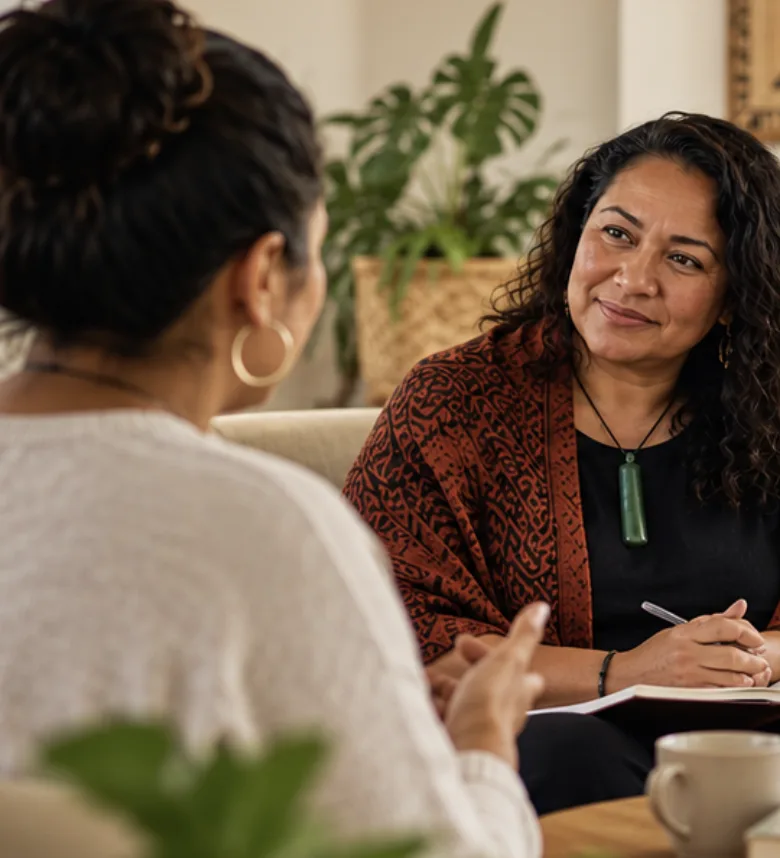
Choosing the right supervision relationship
A useful supervision relationship should provide enough trust for honest reflection while still supporting accountability and professional responsibility. The right arrangement depends on the practitioner, the purpose of supervision, cultural and professional needs, and whether the supervision is individual, group, internal, external or online.
How to choose a supervisor →